The Role of Trees in Urban Cooling: How Green Spaces Combat the Heat Island Effect May 13, 2026
Trees, the cornerstone of urban green spaces, play a crucial role in combating the heat island effect. Their cooling effect is primarily attributed to two key processes: shading and evapotranspiration. By providing shade, trees reduce the amount of heat absorbed by streets and buildings. This shading effect can lower surface temperatures by as much as 20 to 45 degrees Fahrenheit, considerably cooling the immediate environment. During the hottest parts of the day, lounging under a tree can be the difference between discomfort and relief.
Evapotranspiration further enhances the cooling capabilities of trees. This process involves both water evaporation from the earth’s surface and transpiration from plant leaves. Trees, by taking up water through their roots and releasing it through their leaves, effectively contribute to a reduction in ambient air temperatures. Studies have demonstrated that this natural air-conditioning can decrease urban temperatures by approximately 2 to 9 degrees Fahrenheit, providing significant respite from urban heat.
Beyond immediate cooling effects, trees offer long-term benefits that align with sustainability goals. By mitigating the urban heat island effect, trees reduce the demand for air conditioning, thus lowering energy consumption and greenhouse gas emissions. This aligns perfectly with the agenda of environmentally conscious cities striving to combat climate change. Moreover, urban green spaces increase the overall livability of cities, enhancing community well-being and promoting active lifestyles among urban dwellers.
In addition to their cooling benefits, trees provide numerous other advantages. They improve air quality by filtering pollutants, support biodiversity by providing habitats for urban wildlife, and even have psychological benefits, offering aesthetic beauty and reducing stress levels among city residents. By transforming arid urban landscapes into vibrant green oases, trees foster community cohesion and enhance property values.
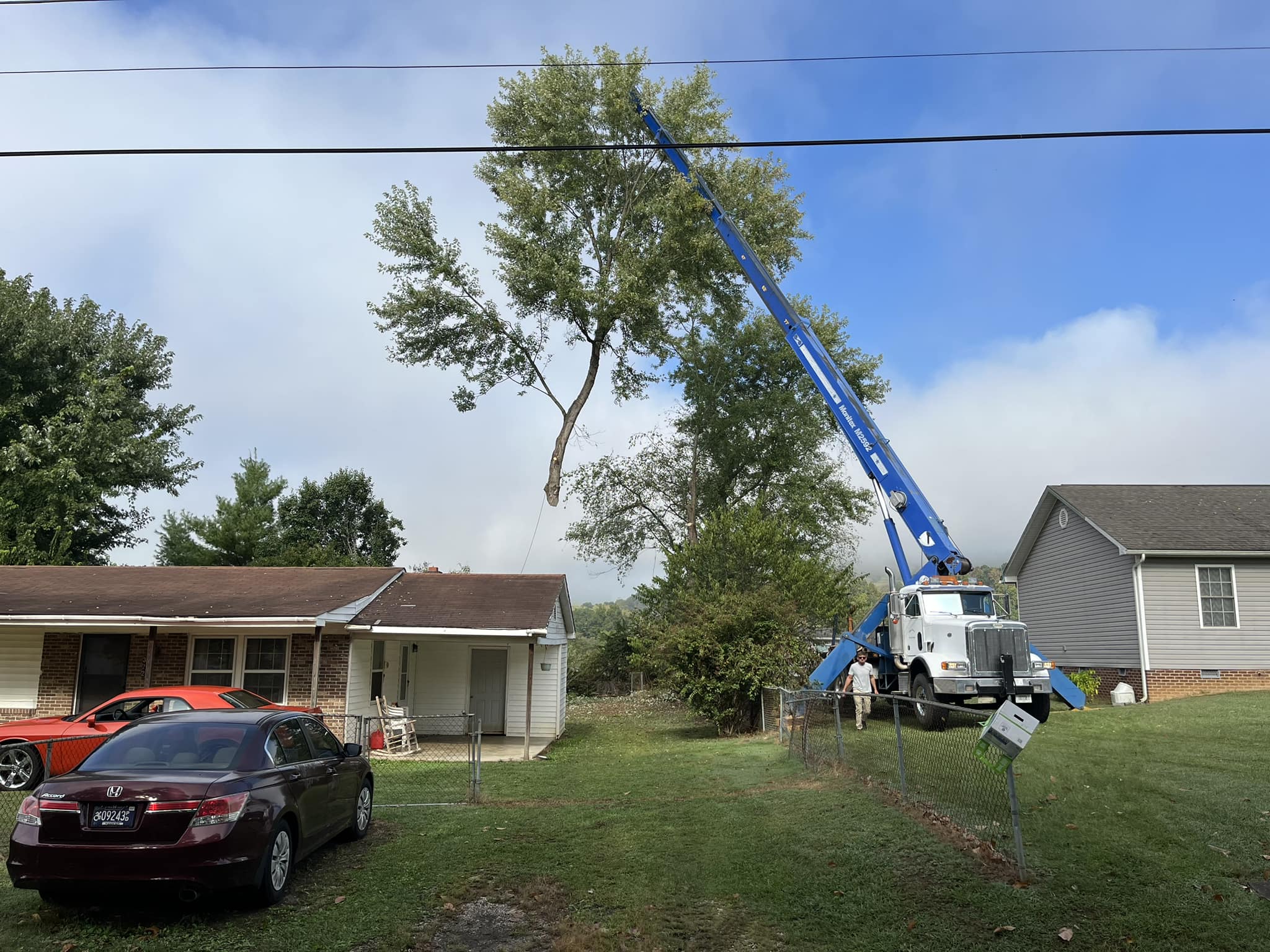
For cities to effectively combat the heat island effect, strategic planning for urban forestry is essential. It requires a collaborative effort among city planners, environmentalists, and tree service professionals like Brocks Tree Service LLC. With expert knowledge and commitment to sustainable practices, these professionals play an important role in maintaining healthy urban forests. Their services are crucial for tree selection, planting, and maintenance, ensuring urban trees thrive in challenging conditions and continue to provide cooling benefits for years to come.
As cities grow, the foresight to integrate adequate green spaces into urban planning could spell a significant difference in the fight against rising urban temperatures. Policies encouraging tree planting and maintenance must be prioritized, and community initiatives to support urban greening should be encouraged. As residents and stakeholders consider the future of cityscapes, understanding the importance of trees in urban cooling is more crucial than ever.
By investing in urban forestry, cities not only address immediate climate concerns but also pave the way for healthier, more sustainable urban environments. Trees, nature's oldest allies in cooling, can transform our cities, making them more resilient against the challenges of a warming world.
/filters:no_upscale()/filters:format(webp)/media/14524e9b-b3f0-49af-80f3-9eb22ef0b1a7.jpeg)
/filters:no_upscale()/filters:format(webp)/media/ef612925-5985-4fe7-aa1e-5f2dda9f9752.jpeg)